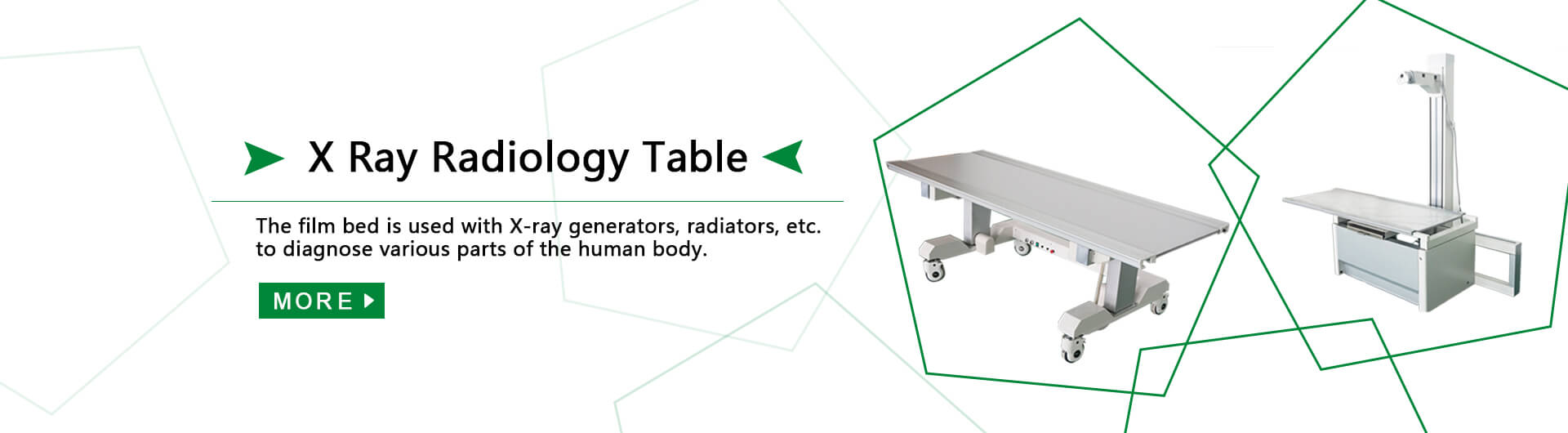

When it comes to X-ray examinations, most people are familiar with the process — but few notice that the “table” you lie on actually matters a lot.
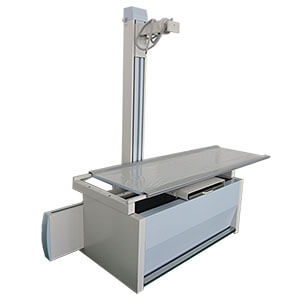
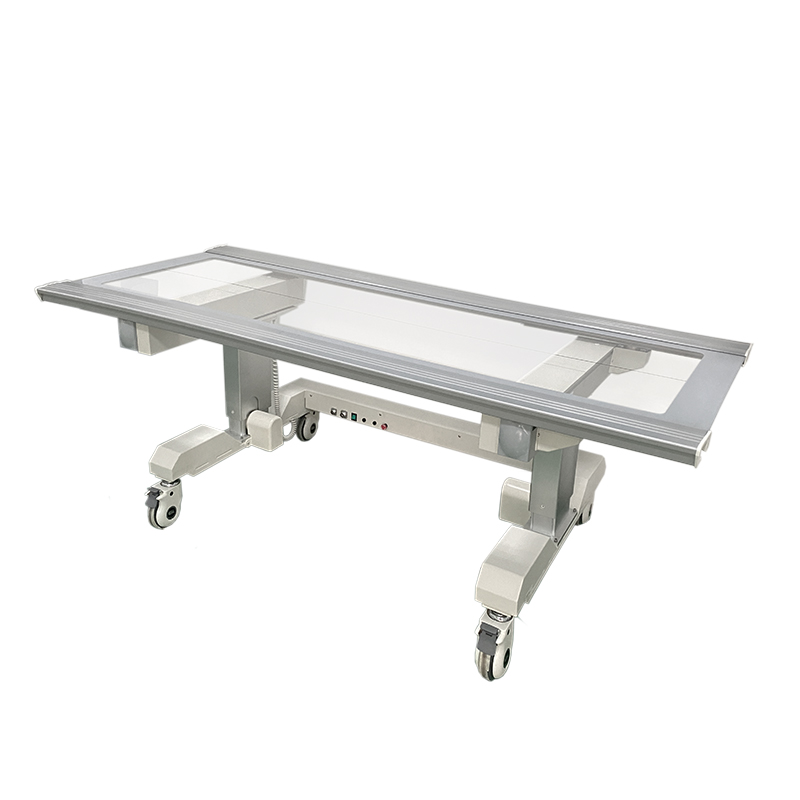
In radiology departments, this equipment is called a radiography table (or X-ray table). Simply put, it is the essential partner of mobile DR systems, mobile X-ray machines, and portable X-ray units. Imaging of the abdomen, extremities, pelvis, and lumbar spine all relies on it.
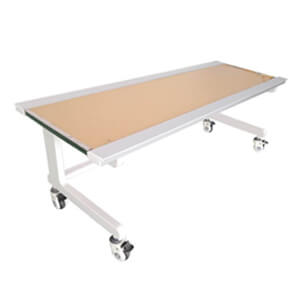
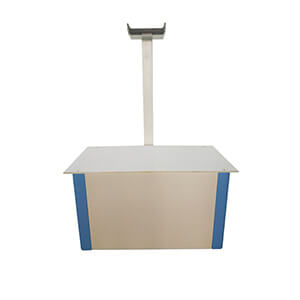
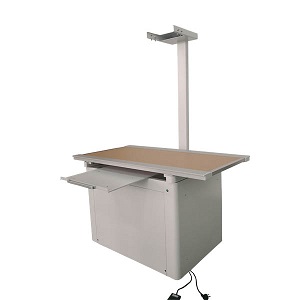
Radiography tables on the market come in two main types: mobile and fixed. Mobile tables have wheels for easy movement, while fixed tables stay in one location, making them ideal for dedicated radiology rooms. So how do you choose the right one? Here are some practical tips based on real-world experience.
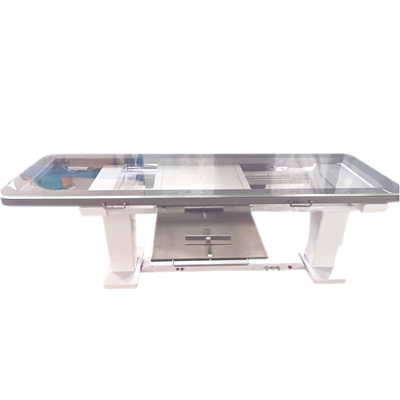
Tabletop Material: Don’t Judge by Price Alone
The most common tabletop material is acrylic (PMMA), available in transparent or opaque versions. Transparent acrylic offers a clear advantage: during fluoroscopy, doctors can directly visualize the flat-panel detector position and align the collimator easily, saving time and reducing repeated adjustments.
Particleboard is cheaper and can save costs if budgets are tight. However, its light transmission is poor, making focusing more difficult. If your table will be used for fluoroscopy alongside an X-ray machine, investing in acrylic is strongly recommended — don’t let short-term savings create daily workflow issues.
Mobile Tables: Do You Need a Cassette Tray?
Mobile radiography tables come in two variants: with a cassette tray and without a cassette tray.

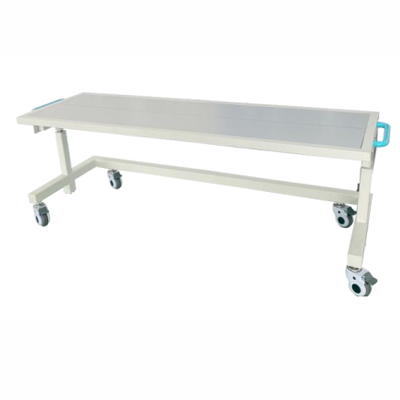
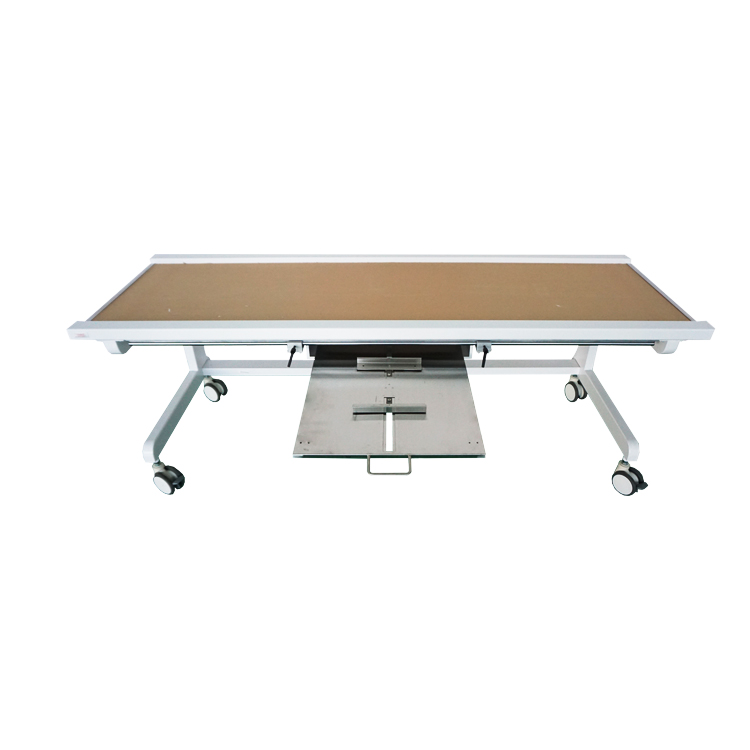
If you use a flat-panel detector, choosing a table with a cassette tray is highly recommended. The detector fits securely in place, ensuring stable positioning and consistent image quality. Tables without a tray can still work, but require repeated alignment, increasing the risk of errors.
Additionally, cassette trays are compatible with both film cassettes and CR IP plates, offering greater flexibility. Opting for a cassette-equipped model future-proofs your investment as equipment needs evolve.
6-Way Float: More Than Just a Marketing Feature
A high-quality radiography table allows six-direction adjustment — longitudinal, lateral, and vertical movements. This functionality is far from gimmicky: when a patient is positioned, the technologist can fine-tune the tabletop without moving the patient excessively. For individuals with fractures or limited mobility, this greatly improves comfort and safety.
Swivel casters add another layer of convenience. Once the table is moved into position, locking the wheels keeps it stable. Brake positions can also be customized — at the foot end or sides — depending on user preference.
Powered or Manual Operation?
Powered tables offer motorized height adjustment and tilt functions, making patient transfers easier, especially for elderly individuals. They are cost-effective, energy-efficient, and remain operational even during emergencies — a detail many manufacturers overlook.
However, in the event of a power outage, powered tables become inoperable. Staff should assist patients carefully during such situations. If your facility experiences frequent outages or has limited power outlets near bedside equipment, manual tables or installing a UPS backup may be the better choice.
Final Thoughts
Choosing a radiography table shouldn’t be based solely on specifications. Visit a showroom, lie on the table, push it around, and test the adjustments yourself — hands-on experience is invaluable.

Acrylic tabletops cost more but improve daily workflow. Mobile tables with cassette trays provide broader compatibility. Six-way float and swivel casters deliver tangible convenience. If budget constraints exist, prioritize features in this order:
Tabletop material > Cassette tray configuration > Floating function > Power supply type
After all, this table will be used every day — and only you can decide what truly works best for your team and patients.
Author:Newheek-Table
Tel: +86 13356723728
E-mail: newheekaide@gmail.com
Company: Weifang Newheek Electronic Technology Co., Ltd.